Architects and project managers face a relentless challenge. They must achieve high-performance acoustic control without sacrificing high-end architectural aesthetics. Modern commercial spaces often feature extensive hard surfaces like glass, concrete, and steel. These materials look brilliant but create harsh echoes and poor speech intelligibility. Traditional acoustic treatments frequently ruin a carefully crafted interior design. You need a superior method.
Enter the Grooved Acoustic Panel. It serves as the commercial standard for boardrooms, auditoriums, and luxury hospitality spaces. It blends structural elegance seamlessly alongside proven sound mitigation. This article provides your technical evaluation framework. We will guide you through specifying these premium wood veneer panels. You will learn to navigate acoustic science accurately, ensure strict material compliance, and master complex installation realities.
Key Takeaways
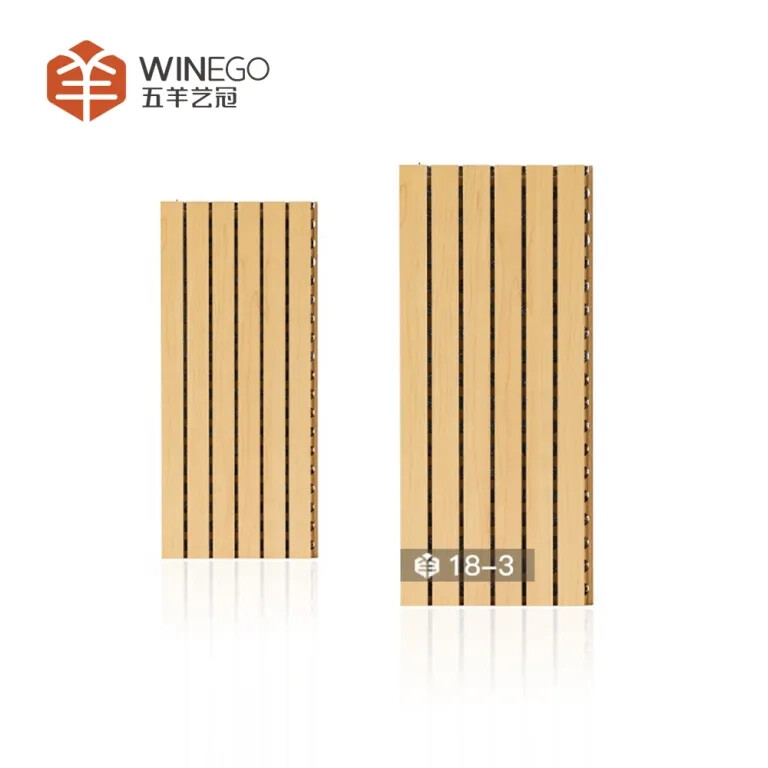
Dual Functionality: Grooved acoustic panels combine surface diffusion (via wood slats) with broad-spectrum absorption (via acoustic backing).
Compliance Matters: Commercial projects require strict adherence to fire safety (Class A/B1) and indoor air quality standards (low formaldehyde).
Aesthetic Integrity: A natural veneer finish—especially with 3-sided wrapping and natural-colored cores—eliminates the cheap, exposed edges typical of standard MDF panels.
Risk Mitigation: Specify panels offering a customizable size for seamless scalability and a reliable 3 years warranty to protect capital investments.
Evaluating Grooved Acoustic Panels Against Legacy Acoustic Solutions
Spaces featuring extensive hard surfaces suffer greatly from speech intelligibility issues. Sound waves bounce endlessly across bare walls. This creates intense reverberation inside open-plan offices and grand public lobbies. Legacy solutions fail to meet modern architectural standards. Acoustic foam looks excessively industrial. Fabric-wrapped panels degrade interior design visions rapidly. You must find a solution balancing acoustic performance and architectural beauty.
Acoustic Mechanics
How do grooved wood panels actually work? They rely on dual acoustic mechanics to treat room noise. The front wooden slats scatter incoming high-frequency sound waves. We call this surface diffusion. Sound then travels inward through the grooved channels. It reaches a porous backing material located behind the slats. This specialized backing traps the sound energy. It converts the acoustic waves into trace amounts of heat. We define this process as broad-spectrum absorption. You get the best of both worlds.
Lifecycle and Performance vs. Alternatives
Traditional acoustic foam degrades fast. It discolors rapidly under UV exposure and absorbs dust continually. Fabric wraps also present significant operational challenges. They are prone to snagging in high-traffic commercial spaces. Maintenance teams find them nearly impossible to clean thoroughly. Conversely, grooved wood panels offer structural durability. They provide exceptional impact resistance and architectural-grade longevity. They endure rigorous daily wear while maintaining their premium appearance.
Material Type | Aesthetic Quality | Maintenance Effort | Structural Durability |
Acoustic Foam | Low (Industrial) | High (Traps dust) | Poor (Brittle over time) |
Fabric Wraps | Medium (Soft look) | High (Stains easily) | Fair (Prone to tearing) |
Grooved Wood Panels | High (Architectural) | Low (Wipeable) | Excellent (Impact resistant) |
Core Material Specifications: Balancing Compliance and Structural Integrity
You must start your evaluation by defining the baseline substrate material. Standard commercial panels usually rely on basic black Medium Density Fiberboard (MDF). Premium acoustic projects demand much more. You should evaluate engineered high-density cores. You might also consider natural-colored cores. These mimic solid wood seamlessly through the front grooves.
Environmental and Health Compliance
Indoor air quality regulations strictly govern modern commercial builds. Certifications like LEED or WELL require exceptional material safety. You must specify panels utilizing a low formaldehyde core material. Always look for E0 or E1 emissions standards. E0 represents the highest benchmark for ultra-low chemical emissions. It protects occupant health aggressively in enclosed spaces.
Fire Safety Ratings
Fire safety dictates commercial specification fundamentally. Standard combustible cores fail building codes inside public spaces. You must require B1 (flame retardant) materials at a minimum. For maximum safety, you should specify Class A mineral-based cores. Magnesium Oxide (MgO) boards serve as an excellent non-combustible substrate. They provide superior fire resistance without sacrificing acoustic properties.
Moisture Resistance Needs
Specific project zones carry unique environmental stressors. Lobbies and exterior-facing walls experience significant humidity swings. Standard MDF absorbs ambient moisture quickly. This absorption causes destructive warping over time. You might need moisture-treated cores for these transitional zones. Manufacturers often dye this specialized green MDF to identify its moisture-resistant properties easily.
Common Specification Mistakes
Ignoring localized fire codes when ordering imported acoustic materials.
Assuming standard MDF will survive near heavily trafficked entrance doors.
Overlooking formaldehyde emission data sheets before final procurement approval.
The Visual Impact of a True Natural Veneer Finish
The market floods buyers with economical melamine surfaces and High-Pressure Laminate (HPL). These synthetic options look highly repetitive and cheap up close. Contrast them against a genuine natural veneer finish. Real wood provides entirely unique grain variations. It brings authentic warmth into stark commercial spaces. Genuine wood also accepts custom stains, waxes, or oils. This allows precise color matching for exact project requirements.
The 3-Sided Veneer Advantage
Standard panel designs hide a severe structural flaw. They expose raw MDF edges whenever you view them from an angle. You should evaluate vendors utilizing advanced 3-sided veneer wrapping. This manufacturing technique wraps the real wood entirely around the slat edges. It creates a completely seamless look. You achieve a high-end finish on exposed corners and prominent ceilings. It eliminates the cheap, raw edge completely.
Color-Matching the Core
Designers are heavily embracing the "Natural Core" aesthetic trend. Instead of stark black felt and dark MDF, they specify lighter materials. They choose cream or wood-colored MDF cores. This strategy elevates the illusion of solid timber construction significantly. It makes the entire panel system feel like raw, heavy lumber. It softens the visual contrast between the wooden slat and the recessed groove.
Best Practices for Aesthetic Integration
Always request physical samples to inspect the veneer grain authenticity.
Specify 3-sided wrapping for any panels installed on ceilings or outer corners.
Match your core color to the primary wood species for a monolithic appearance.
Implementation Realities: Sizing, Scaling, and Installation Mechanics
Standard panel sizes often limit your interior design freedom. They force ugly horizontal seams onto tall, open-plan walls. Standard 94-inch panels leave awkward gaps near the ceiling. Securing a supplier capable of manufacturing a customizable size solves this structural issue entirely. You can request panel lengths spanning 118 inches up to 142 inches. This flexibility ensures beautiful, seamless floor-to-ceiling continuity across your entire project.
Mounting Methods and Acoustic Optimization
Installation methods dictate your final acoustic performance directly. You can mount these systems in several different ways.
Direct Mount Method: You fasten panels directly to the existing drywall. Installers use heavy-duty construction adhesive or specialized screws. This provides standard aesthetic upgrades and basic sound deadening. It works well for small meeting rooms.
Class A Acoustic Installation: You mount the panels onto horizontal wooden battens. You intentionally create a 50mm air gap behind the panels. Installers fill this empty cavity using high-density rockwool. This method achieves maximum low-frequency sound absorption. We highly recommend it for auditoriums and large boardrooms.
Seamless Interlocking Systems
You must evaluate the panel's specific edge design carefully. Premium solutions feature hidden attachment mechanisms built right into the profile. They use overlapping felt edges seamlessly. This clever design completely hides the vertical seams between adjacent panels. It creates one massive, continuous architectural wood wall. Installers simply slide the panels together and secure them invisibly.
Vendor Shortlisting Criteria and Risk Mitigation
Procuring natural materials requires rigorous vendor evaluation. Natural wood displays inherent color variation naturally. It also contains minor organic defects like small knots. You must establish strict vendor tolerance levels upfront. Always request batch-matched samples before you authorize bulk procurement. This guarantees visual consistency across massive wall installations.
Warranty and Lifecycle Assurance
A premium architectural product demands a strong manufacturer guarantee. Look for vendors offering a minimum 3 years warranty reliably. This warranty must cover critical failures. It should protect against wood delamination securely. It must also cover acoustic backing detachment and structural warping over time. A comprehensive warranty proves the manufacturer trusts their own binding adhesives.
Logistics and Packaging Assessment
Commercial acoustic panels weigh a tremendous amount. Their grooved edges remain highly fragile during long-distance transport. You must assess the vendor’s shipping protocols thoroughly. Check if they use reinforced edge-protection packaging. Investigate their official replacement policies regarding transit damage. A reliable vendor expedites replacement panels instantly without halting your construction schedule.
Risk Factor | Potential Consequence | Evaluation Mitigation Strategy |
Inconsistent Wood Grain | Patchy, mismatched wall appearance | Require batch-matched veneer samples |
Adhesive Failure | Veneer peeling away from MDF core | Verify multi-year manufacturer warranty |
Transit Edge Damage | Unusable panels causing project delays | Audit vendor packaging and freight policies |
Formaldehyde Emissions | Failing indoor air quality inspections | Demand E0/E1 independent lab certificates |
Conclusion
Specifying premium acoustic treatments requires a balanced technical approach. You must prioritize low formaldehyde cores to ensure healthy indoor air quality. You should insist on true natural veneer wrapping for authentic architectural beauty. Securing customizable sizing guarantees a flawless, monolithic installation without awkward horizontal seams. Do not compromise on fire safety ratings or core density.
Your next step is critical. Encourage your specifiers and project managers to act quickly. Request a physical sample kit from a qualified manufacturer today. Review their official NRC data sheets against your room requirements. Consult closely with an acoustic engineer to finalize custom sizing quotes and secure your ideal design.
FAQ
Q: Can grooved acoustic panels be used in high-humidity areas?
A: Yes, but you must specify specialized moisture-resistant or green MDF cores. Standard panels will absorb moisture and warp. Furthermore, standard natural wood veneers should never have direct water contact. Use them in well-ventilated transitional spaces, avoiding direct shower or pool zones.
Q: What is the difference between NRC and STC ratings for these panels?
A: NRC (Noise Reduction Coefficient) measures sound absorption inside the room to reduce echo. STC (Sound Transmission Class) measures sound blocking between different rooms. These grooved wood panels heavily improve your room's NRC. They do not significantly increase a wall's STC rating on their own.
Q: How do we accommodate electrical outlets and wall fixtures?
A: The underlying MDF core offers excellent workability. Installers can easily cut the panels using standard woodworking tools. You simply measure, cut the necessary openings, and pull your wiring through. This seamlessly accommodates switch plates, light fixtures, and wall-mounted screens.