When it comes to soundproofing and enhancing the acoustics of a space, choosing the right type of acoustic panel is crucial. Among the most popular options, wood wool acoustic panels and foam acoustic panels are often compared. Each type offers unique features, benefits, and drawbacks, making it important to understand which option best suits your needs.
In this article, we’ll compare wood wool acoustic panels with foam acoustic panels, looking at their effectiveness in various environments, the materials they’re made from, installation processes, cost considerations, and more. By the end of this article, you will have a clearer understanding of which acoustic panel is best for your space, whether it’s a home studio, office, or entertainment room.
What Are Wood Wool Acoustic Panels?
Wood wool acoustic panels are made from natural wood fibers combined with cement to create a robust and durable material. These panels are often used in spaces that require both aesthetic appeal and excellent sound absorption. The combination of wood fibers and cement gives them a unique texture and appearance, making them a popular choice for modern and eco-conscious design projects.
Benefits of Wood Wool Acoustic Panels:
Natural Sound Absorption: Wood wool panels are highly effective at absorbing sound due to their porous structure. They reduce echoes and reverberation, making them ideal for larger spaces such as auditoriums, meeting rooms, and open-plan offices.
Eco-Friendly: Wood wool panels are made from sustainable materials, making them a great choice for environmentally-conscious consumers. The natural composition also contributes to a healthier indoor air quality.
Aesthetic Appeal: With their natural wood finish, wood wool panels can complement various interior design styles, adding both function and beauty to a space.
Durability: These panels are resistant to wear and tear, providing long-lasting performance in both commercial and residential settings.
What Are Foam Acoustic Panels?
Foam acoustic panels are an effective and affordable solution for soundproofing and improving the acoustics of various spaces. They are made from materials like polyurethane foam or melamine foam, which have open-cell structures designed to trap sound waves and prevent them from reflecting back into the room. These panels are particularly popular in smaller spaces, such as home theaters, recording studios, offices, and even personal spaces like bedrooms, due to their lightweight nature and ease of installation.
Benefits of Foam Acoustic Panels
Foam acoustic panels offer a wide range of benefits that make them a popular choice for both professional and personal use. Here are some of the key advantages:
1. Affordable
Foam panels are often the go-to solution for those on a budget. They are generally more cost-effective than other types of acoustic panels, such as wood wool or fiberglass panels. For people who need to soundproof a space without breaking the bank, foam panels provide a great option for managing sound and improving acoustics while keeping expenses low.
2. Easy Installation
One of the standout features of foam acoustic panels is their ease of installation. Foam panels are lightweight, making them simple to handle and install. Many foam panels come with adhesive backing, which eliminates the need for nails, screws, or other complex installation tools. This DIY-friendly aspect makes foam panels perfect for home improvement projects, recording studios, or any space where professional installation is not required.
3. Variety of Shapes and Sizes
Foam panels are available in a wide variety of shapes, sizes, and thicknesses, which allows for creative and customizable soundproofing solutions. Common shapes include:
Wedge: These panels are designed with a series of triangular shapes that help diffuse sound and improve absorption.
Pyramid: Similar to wedges but with a more pronounced peak, these panels work to absorb mid to high frequencies.
Egg Crate: These panels have a distinctive egg-carton-like appearance and are highly effective in reducing reverberation and echoes.
This variety provides flexibility in tailoring the acoustic treatment to suit the unique needs of your space.
4. Effective at High Frequencies
Foam acoustic panels are particularly effective at absorbing high-frequency sounds. High-frequency sounds, like treble sounds in music or speech, tend to bounce off hard surfaces, creating echoes and making rooms feel "noisy" or "muddy." Foam panels, due to their porous and open-cell structure, absorb these high frequencies efficiently, which is why they are commonly used in home studios, recording booths, and small performance spaces. While they are not as effective at low-frequency sound absorption, they are great for spaces that deal with vocal recordings, podcasts, or high-pitched instruments.
5. Lightweight and Space-Efficient
Another benefit of foam panels is their lightness, which makes them easy to install on walls, ceilings, or corners of a room without adding significant weight. This makes them ideal for small spaces where every inch matters. Additionally, foam panels don't take up much space and can be mounted flat or in creative patterns to fit the design of the room.
Key Differences Between Wood Wool and Foam Acoustic Panels
The choice between wood wool acoustic panels and foam acoustic panels ultimately depends on your space and soundproofing needs. Let’s compare the two based on several key factors:
Factor | Wood Wool Acoustic Panels | Foam Acoustic Panels |
Sound Absorption | Highly effective at absorbing a wide range of frequencies. | Best for high-frequency absorption. |
Durability | Long-lasting and resistant to wear and tear. | Less durable, may degrade over time, especially in humid conditions. |
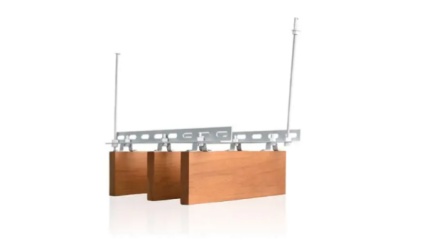
Installation | Requires mounting with nails, screws, or adhesive. | Easy to install, typically with adhesive backing. |
Aesthetic | Natural wood finish that suits a wide range of designs. | Often less aesthetically pleasing; utilitarian look. |
Environmental Impact | Made from sustainable, eco-friendly materials. | Can be made from synthetic materials; less eco-friendly. |
Cost | More expensive than foam panels. | Budget-friendly and widely available. |
Best Use | Large rooms, commercial spaces, eco-friendly designs. | Small rooms, home studios, and budget-friendly projects. |
Which Acoustic Panel is Best for Your Space?
Now that we’ve compared the key features of wood wool acoustic panels and foam acoustic panels, it’s time to assess which option is best for your specific needs.
When to Choose Wood Wool Acoustic Panels
Large Spaces: Wood wool panels excel in larger rooms or areas with high ceilings where sound absorption is needed across a broad range of frequencies.
Eco-Friendly Spaces: If you’re aiming for a sustainable, natural aesthetic, wood wool panels provide a great combination of sound absorption and environmental responsibility.
High-Quality Soundproofing: These panels are ideal for spaces where acoustics are a top priority, such as concert halls, auditoriums, and large meeting rooms.
When to Choose Foam Acoustic Panels
Smaller Spaces: Foam panels are perfect for home studios, home theaters, or offices where space is limited and budget is a concern.
DIY Projects: Their ease of installation makes them a great option for DIY soundproofing projects, particularly in small-scale settings.
Budget-Conscious Solutions: If you’re looking for an affordable solution that effectively absorbs high frequencies, foam panels can provide significant soundproofing benefits at a lower cost.
How to Maximize the Effectiveness of Acoustic Panels
Regardless of whether you choose wood wool or foam panels, proper installation and placement are key to maximizing their effectiveness. Here are some tips for achieving the best soundproofing results:
Cover Reflection Points: Identify areas where sound tends to reflect, such as walls opposite speakers, and place panels in these spots to minimize echoes.
Even Distribution: Distribute panels evenly across the room to ensure that sound absorption is balanced and effective.
Combine Materials: In some cases, combining wood wool panels with foam panels can offer the best of both worlds—effective absorption of both low and high frequencies.
Conclusion
Both wood wool acoustic panels and foam acoustic panels offer unique advantages for improving sound quality and reducing noise in a space. If you need a durable, aesthetically pleasing solution with eco-friendly benefits, wood wool panels are an excellent choice. On the other hand, if you’re looking for a budget-friendly and easy-to-install option, foam panels may be the right fit for your needs.
At Guangzhou Winego Acoustical Materials Co., Ltd., we specialize in providing high-quality wood wool and foam acoustic panels to meet the diverse needs of our clients. Whether you're working on a large commercial project or a small DIY soundproofing task, we can help you select the right materials for the job. For more information, feel free to contact us today.
FAQ – Acoustic Panels
Q1: What are wood wool acoustic panels made of?
Wood wool panels are made from natural wood fibers combined with cement, offering both excellent sound absorption and aesthetic appeal.
Q2: How do foam acoustic panels help with soundproofing?
Foam panels absorb high-frequency sound waves, reducing echoes and improving sound clarity, particularly in smaller spaces.
Q3: Are wood wool panels more effective than foam?
Wood wool panels tend to be more effective for low- and mid-frequency sound absorption, while foam panels are particularly good for high frequencies.
Q4: Can I install acoustic panels myself?
Yes, foam panels are easy to install with adhesive backing, while wood wool panels may require more effort, such as mounting with screws or nails.