Sound is an essential element of our daily lives. Whether it's music, conversation, or the hum of machinery, sound shapes the environment we live in. However, in many settings, especially in commercial spaces, homes, and auditoriums, managing sound is crucial for maintaining comfort and enhancing the acoustic experience. One effective solution for controlling sound in these spaces is the use of wood wool acoustic panels. These panels not only improve the acoustics of a room but also add a natural aesthetic to any space. In this article, we will explore the science behind how wood wool acoustic panels work and why they are a go-to solution for soundproofing and sound absorption.
Sound management in architectural spaces is about more than just reducing noise; it’s about improving the quality of sound within a space. For years, traditional acoustic materials like foam and fiberglass have been used to address this issue. However, wood wool acoustic panels have emerged as a superior choice for both their functionality and their eco-friendly properties. Let's dive into the science of sound absorption and discover how wood wool panels can make a real difference in your space.
1. The Basics of Sound Absorption
To understand how wood wool acoustic panels work, we first need to explore the basics of sound and sound absorption. Sound travels through the air in the form of vibrations, and these vibrations are what we perceive as sound. In spaces with poor acoustics, these vibrations can bounce off hard surfaces like walls, ceilings, and floors, creating echoes or unwanted noise.
Sound absorption refers to the process by which materials reduce the amount of sound energy that reflects off surfaces. The ideal material for sound absorption should convert sound energy into heat, reducing the intensity of sound waves that bounce back into the room. Materials with porous structures or irregular surfaces, like wood wool, are particularly effective at absorbing sound because they provide more surface area for sound waves to interact with.
2. How Wood Wool Acoustic Panels Work
Wood wool acoustic panels are increasingly recognized as an effective and eco-friendly solution for improving sound quality and managing acoustics in various spaces. These panels are made from a mixture of wood fibers, cement, and sometimes other materials, which are compressed together to create sound-absorbing panels. The unique properties of wood wool contribute to its natural ability to absorb sound, making it an ideal choice for use in both commercial and residential environments. Let’s dive into the science of how wood wool acoustic panels work and why they are so effective.
A. Porosity and Surface Area
The most critical factor that makes wood wool acoustic panels so effective at sound absorption is their porosity. The interwoven structure of the wood fibers creates tiny air pockets within the panel. These air pockets allow sound waves to penetrate the panel, where the sound energy is dissipated and converted into heat. As sound waves enter the porous surface, they lose their intensity as they are absorbed, significantly reducing the amount of sound that is reflected back into the room.
This porosity helps wood wool acoustic panels achieve high levels of sound absorption, making them excellent at reducing echoes and reverberations in various environments. The increased surface area of the panels, caused by the irregular shape of the wood fibers, further enhances their sound-absorbing capabilities. The larger surface area provides more opportunity for sound waves to interact with the material, making wood wool acoustic panels far more effective than flat, smooth surfaces that reflect sound.
For instance, in a conference room, the presence of wood wool panels helps absorb the sound waves that are reflected off hard surfaces, ensuring clearer speech and better communication. This is particularly important in rooms where speech intelligibility is critical, such as meeting rooms or classrooms.
B. Sound Absorption Coefficient (SAC)
The sound absorption coefficient (SAC) is an essential measurement that indicates how well a material absorbs sound across various frequencies. Wood wool acoustic panels typically exhibit high SAC values across a broad spectrum of sound frequencies, making them highly versatile for different acoustic needs.
The SAC measures how much sound a material absorbs compared to the total sound it is exposed to. Materials with higher SAC values absorb more sound, resulting in better acoustic performance. In spaces like concert halls, auditoriums, or even open-plan offices, managing both low-frequency sounds (such as bass-heavy noise) and high-frequency sounds (such as speech or music) is essential for creating a balanced sound environment.
Since wood wool acoustic panels can effectively absorb sound in both the low and high-frequency ranges, they provide a more well-rounded solution for controlling sound. For example, in an office setting, they can absorb speech noise, preventing it from bouncing around and disrupting concentration, while still managing lower-frequency noises like the hum of air conditioning or traffic outside.
C. Flexibility in Design and Application
Another major reason wood wool acoustic panels are favored in architectural design is their versatility. These panels can be custom-designed to fit a wide variety of spaces, making them ideal for both aesthetic and functional purposes. Whether you're outfitting a modern office, a home theater, or a high-end commercial building, wood wool acoustic panels can be customized in different shapes, sizes, and finishes to suit the unique needs of each space.
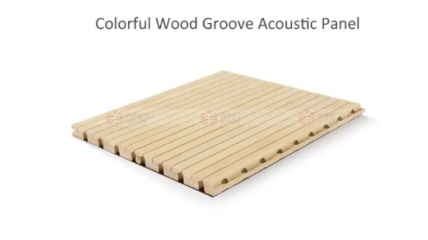
The flexibility of design means that wood wool panels can be used not only for their sound-absorbing properties but also for their visual appeal. Their natural wood appearance adds warmth and texture to interiors, making them a popular choice for interior designers. The panels can be finished in various ways, such as with a smooth, polished surface or a more rustic, rough-hewn look, depending on the desired aesthetic for the space.
3. Benefits of Wood Wool Acoustic Panels
A. Eco-Friendly Solution
Wood wool acoustic panels are made from natural materials, making them an environmentally friendly option for soundproofing. The panels are manufactured using wood fibers from sustainable sources, reducing the environmental impact compared to synthetic acoustic materials. Additionally, the production process of wood wool panels requires less energy, making them a more sustainable choice for eco-conscious consumers and businesses.
B. Aesthetic Appeal
In addition to their sound absorption properties, wood wool panels have an inherent natural beauty. The wood fibers create a textured surface that adds warmth and style to any space. The earthy appearance of wood wool panels can complement a wide range of interior design styles, from modern to rustic, making them not only functional but also visually appealing.
C. Durability and Longevity
Wood wool panels are highly durable and can withstand the test of time, even in high-traffic areas. Unlike foam or fiberglass, wood wool panels are resistant to wear, moisture, and aging, ensuring that they continue to perform effectively for years. Their durability makes them a smart investment for commercial spaces, auditoriums, and other high-usage environments.
4. Applications of Wood Wool Acoustic Panels
Wood wool acoustic panels can be used in a variety of spaces to improve sound quality. Some common applications include:
Offices: To reduce noise distractions and create a more focused work environment.
Concert Halls and Theaters: To enhance sound clarity and ensure that sound is evenly distributed throughout the room.
Restaurants and Cafes: To manage noise levels and create a comfortable dining atmosphere.
Home Theaters: To improve acoustics and provide a better viewing experience.
| Application | Description |
| Offices | Reduces noise distractions and creates a more focused work environment, improving productivity. |
| Concert Halls and Theaters | Enhances sound clarity and ensures even sound distribution throughout the room for optimal acoustics. |
| Restaurants and Cafes | Manages noise levels to create a more comfortable and pleasant dining atmosphere for guests. |
| Home Theaters | Improves acoustics to enhance the sound experience and provide a better viewing experience. |
Conclusion
Wood wool acoustic panels offer an innovative and effective solution for improving sound quality in various environments. By utilizing the natural sound-absorbing properties of wood fibers, these panels help reduce noise, improve acoustics, and create a more comfortable and enjoyable space. Whether you're designing a commercial space, a home theater, or an office, wood wool panels provide an eco-friendly, aesthetically pleasing, and durable option for acoustic management.
At Guangzhou Winego Acoustical Materials Co., Ltd., we specialize in providing high-quality wood wool acoustic panels designed to meet the needs of various applications. Our products are engineered for performance, sustainability, and style, ensuring that your space not only sounds better but also looks great. For more information on how our wood wool acoustic panels can transform your environment, feel free to contact us. We are here to provide the best acoustic solutions for your projects.
FAQ Section
1. What are the advantages of wood wool acoustic panels?
Wood wool acoustic panels offer natural sound absorption, aesthetic appeal, durability, and eco-friendly production. They effectively reduce noise and improve room acoustics.
2. How do wood wool acoustic panels improve sound quality?
Their porous structure and large surface area help absorb sound waves, reducing echo and reverberation. They provide a stable and consistent acoustic environment.
3. Can wood wool panels be customized for different applications?
Yes, wood wool panels come in various sizes, shapes, and finishes, making them ideal for different environments, including offices, theaters, and restaurants.
4. How long do wood wool acoustic panels last?
Wood wool acoustic panels are highly durable and resistant to wear, moisture, and aging. They are built to last for many years with minimal maintenance.