Wood wool acoustic panels are a great solution for improving sound quality in both residential and commercial spaces. They offer excellent sound absorption and a stylish, eco-friendly aesthetic. Whether you’re looking to soundproof a home theater, office, or recording studio, installing wood wool panels can dramatically enhance your space. This comprehensive guide will take you through the installation process, ensuring that you achieve professional-level results.
1. Why Choose Wood Wool Acoustic Panels?
Wood wool acoustic panels are made from natural materials, typically wood fibers bonded with cement or other eco-friendly binders. They offer several advantages for soundproofing and interior design:
Excellent Sound Absorption: Wood wool panels excel at absorbing sound across a wide frequency range, making them ideal for spaces where noise reduction is essential.
Sustainable and Eco-Friendly: Made from renewable resources, these panels provide a sustainable solution for noise control.
Aesthetic Appeal: With their natural wood texture, wood wool panels blend seamlessly into modern interiors, adding both functionality and style.
Fire Resistance: Many wood wool panels are fire-retardant, providing additional safety benefits.
The combination of functionality, eco-friendliness, and aesthetic appeal makes them a go-to choice for architects and interior designers looking to balance sound management with interior design.
2. Tools and Materials You Will Need
Before beginning the installation process, it’s essential to gather all the necessary tools and materials to ensure a smooth and efficient setup. Having everything prepared in advance will save you valuable time, minimize interruptions, and contribute to a more professional-looking result. Below is a detailed list of the materials and tools you’ll need for installing wood wool acoustic panels.
Materials:
Wood Wool Acoustic Panels:
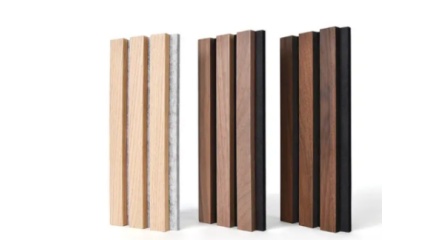
Purpose: Wood wool acoustic panels come in various sizes and designs, so it’s important to select the ones that best suit the size and aesthetic needs of your space. These panels are often available in various finishes, including natural wood textures or pre-painted surfaces, allowing you to match the panels to your room’s decor.
Tip: Always account for the dimensions of the area you plan to cover, taking into consideration any irregular shapes, corners, or obstacles in the space.
Mounting Adhesive:
Purpose: A strong adhesive or construction-grade glue will be required if you choose to use adhesive for mounting the panels. The adhesive should be suitable for both wood wool panels and the surface to which they will be applied (e.g., drywall, concrete, or wood).
Tip: Opt for a fast-drying, high-strength adhesive that can withstand the weight of the panels over time. Make sure it is appropriate for your wall material and climate conditions.
Screws or Anchors:
Tip: Use wall anchors if installing panels on drywall or plaster to provide additional support and prevent the panels from pulling away over time. Ensure the screws or anchors are long enough to penetrate the wall securely.
Backing Paper or Mesh:
Tip: Some wood wool panels may come with a pre-attached mesh backing, but if not, you can buy this separately to ensure a sturdy attachment.
Tools:
Measuring Tape: To ensure accurate measurements of both the panels and the installation area.
Level: To ensure the panels are mounted straight and evenly.
Utility Knife: To trim panels for a perfect fit around edges or obstacles.
Drill or Screwdriver: If you need to secure the panels with screws.
Caulking Gun: If using adhesive caulk for mounting.
3. Preparing Your Space
Before you start installing, take a few moments to prepare your space:
Measure the Area: Use a measuring tape to determine the total area where you’ll be installing the panels. Mark the dimensions on the wall for precise placement.
Clean the Surface: The wall surface must be clean and smooth for optimal adhesion. Wipe down any dust, dirt, or grease from the wall with a cloth. If you're attaching the panels with screws, you may need to drill pilot holes first.
Check for Obstacles: Look for any electrical outlets, light switches, or other obstacles that may need to be worked around. Mark their locations to ensure you cut the panels to fit properly.
4. Installing Wood Wool Acoustic Panels
Step 1: Plan the Panel Layout
Start by planning the layout of the panels on the wall. Decide if you want to create a symmetrical pattern or if a more random arrangement fits your style. Typically, panels are installed in rows either horizontally or vertically, but feel free to experiment with angles or geometric patterns for a more dynamic look.
Step 2: Apply Adhesive to the Wall or Panel
There are two main methods for securing wood wool panels: using adhesive or screws. The adhesive method is faster and cleaner, while using screws can provide a more permanent installation.
Adhesive Installation: For adhesive application, use a construction-grade adhesive or mounting glue. Apply a thin, even layer of adhesive to the back of the wood wool panel, ensuring that it covers the entire surface for a strong bond. Press the panel firmly against the wall and hold it for a few seconds to ensure good contact. Repeat this process for each panel.
Screw Installation: If you prefer using screws, pre-drill holes into the wall where you will mount the panels. Secure the wood wool panels by driving screws through the pre-drilled holes into the wall. Make sure the screws are evenly spaced to distribute the weight of the panels.
Step 3: Install the Panels
Begin installing the panels from one corner of the wall and work your way across. Use a level to ensure that each panel is perfectly straight. If necessary, use a utility knife to trim the edges of the panels for a perfect fit, especially around corners or edges.
For wall-to-wall installations, make sure the panels are flush against each other, with no gaps between them. If you're using adhesive, allow it to set for the recommended drying time before continuing with any further panel installations.
Step 4: Add Finishing Touches
Once all the panels are installed, step back and assess the arrangement. If necessary, fill in any gaps or imperfections with caulking or sealant to ensure a clean, seamless appearance. You can also use trim or moldings to frame the panels if desired, enhancing the visual impact.
| Step | Description |
| Step 1: Plan the Panel Layout | Decide on the layout of your panels—symmetrical or random arrangement. Typically, panels are installed in rows, but creative patterns work too. |
| Step 2: Apply Adhesive to the Wall or Panel | Choose between adhesive or screws. For adhesive, use construction-grade adhesive to apply an even layer on the back of the panel. For screws, pre-drill holes in the wall and secure the panels. |
| Step 3: Install the Panels | Begin from one corner of the wall, ensuring each panel is straight using a level. Trim edges if needed for a perfect fit. Make sure panels are flush against each other. |
| Step 4: Add Finishing Touches | Assess the installation and fill any gaps with caulking. Optionally, use trim or moldings to frame the panels for a polished look. |
5. Maintaining Your Wood Wool Acoustic Panels
Once installed, wood wool acoustic panels require minimal maintenance, making them a hassle-free addition to your space. Here are a few tips for keeping them in great condition:
Clean Regularly: Dust the panels with a soft brush or vacuum cleaner to keep them looking fresh.
Avoid Direct Moisture: While wood wool panels are durable, they should not be exposed to excessive moisture or humidity. Ensure the area around the panels remains dry to maintain their quality.
Inspect for Damage: Regularly check for any loose panels or signs of wear, especially if the room is subject to heavy foot traffic or vibration.
6. Why Choose Wood Wool Acoustic Panels?
Wood wool acoustic panels are an excellent choice for both residential and commercial spaces, offering a natural aesthetic combined with superior soundproofing qualities. With their flexibility, ease of installation, and eco-friendly material composition, these panels are ideal for a variety of applications, including:
Home Theater Rooms
Recording Studios
Office Spaces
Concert Halls
Conference Rooms
7. Conclusion
Installing wood wool acoustic panels is a simple and effective way to enhance the acoustics of any space while also adding a natural, stylish touch to the environment. By following this step-by-step guide, you can achieve professional results and enjoy the benefits of improved sound quality, better privacy, and an aesthetically pleasing interior.
At Guangzhou Winego Acoustical Materials Co., Ltd., we specialize in providing high-quality wood wool acoustic panels designed to meet the needs of various industries. Our panels are crafted with precision and are available in different styles and sizes to suit your specific requirements. Whether you're looking to enhance the acoustics of your home, office, or public space, we can help you find the ideal solution for your soundproofing needs. Feel free to contact us to learn more about our products and how we can assist you in achieving the perfect acoustics for your space.
FAQ
1. Can wood wool acoustic panels be used outdoors?
While wood wool panels are durable, they are best used indoors. If you need panels for outdoor use, ensure that they are treated for weather resistance or consider other materials.
2. How do wood wool acoustic panels improve sound quality?
Wood wool panels absorb sound waves, reducing echo and reverberation, which improves the acoustics of the room and enhances speech clarity and overall sound quality.
3. Can I install wood wool acoustic panels myself?
Yes, wood wool acoustic panels are relatively easy to install with the right tools and materials. Follow our step-by-step guide for a professional installation.
4. How long do wood wool acoustic panels last?
With proper care, wood wool acoustic panels can last for many years, maintaining their aesthetic and soundproofing qualities over time. Regular maintenance will help extend their lifespan.