In today’s world, sustainability is no longer just a trend—it’s a necessity. With growing concerns about environmental impact, businesses and individuals alike are seeking eco-friendly alternatives to traditional materials used in construction and interior design. One such material gaining traction is wood wool acoustic panels. Known for their soundproofing capabilities, wood wool panels are not only highly effective at controlling noise but also offer significant environmental benefits. This article delves into the sustainability of wood wool acoustic panels, exploring how they contribute to eco-friendly soundproofing solutions for various spaces, from offices to commercial buildings and homes.
As the world moves towards more sustainable practices, finding materials that combine both performance and eco-friendliness is critical. Wood wool acoustic panels, produced by companies like Guangzhou Winego Acoustical Materials Co., Ltd., are a perfect example of how the right materials can enhance both environmental responsibility and building performance. Let’s explore how these panels are made, their sustainability advantages, and how they can be used to improve both acoustics and environmental impact in your next project.
What are Wood Wool Acoustic Panels?
Wood wool acoustic panels are an innovative building material designed to improve sound insulation and aesthetics. These panels are made by combining wood fibers with cement, forming a dense and durable board. The wood fibers, typically sourced from sustainable forests, are processed and bonded with non-toxic binders. This unique composition gives wood wool panels their excellent sound-absorbing properties, making them ideal for use in spaces that require noise reduction.
The process of creating wood wool panels involves the use of natural, renewable resources, which is a significant advantage over traditional soundproofing materials that often rely on synthetic components. This makes wood wool acoustic panels a greener alternative to other soundproofing solutions like foam or fiberglass, which are not biodegradable and can contribute to environmental pollution.
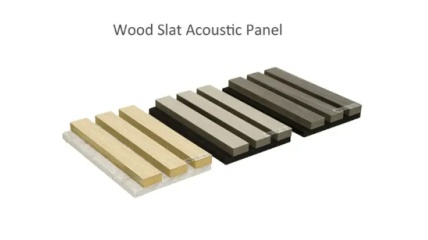
The Sustainability of Wood Wool Acoustic Panels
1. Natural and Renewable Materials
One of the primary reasons wood wool acoustic panels are considered sustainable is the fact that they are made from natural and renewable resources. The wood used in these panels is sourced from responsibly managed forests, ensuring that no forests are harmed in the process. Furthermore, the wood fibers are biodegradable, making the panels an environmentally friendly choice for both production and disposal.
In addition to the use of sustainable wood, wood wool panels do not contain harmful chemicals or additives that are commonly found in synthetic acoustic materials. This makes them safer for both the environment and human health. Their production process also requires less energy compared to other materials like plastic foam, further contributing to their eco-friendliness.
2. Energy-Efficient Manufacturing Process
The manufacturing process of wood wool acoustic panels is relatively energy-efficient, especially when compared to the production of synthetic soundproofing materials. The panels require minimal processing, as the wood fibers are combined with cement and pressed into shape. The production process also avoids the need for heavy chemical treatments or excessive heat, reducing the carbon footprint associated with manufacturing.
Additionally, the panels are highly durable, meaning they have a long lifespan, which reduces the need for frequent replacements. This contributes to resource conservation and further minimizes the environmental impact over time.
3. Recyclability and Low Carbon Footprint
Wood wool acoustic panels are 100% recyclable at the end of their life cycle. When the panels are no longer needed, they can be repurposed or recycled into other building materials. This is a significant benefit over non-recyclable soundproofing materials, which can end up in landfills and contribute to environmental waste.
The low carbon footprint of wood wool panels makes them a sustainable choice for both commercial and residential buildings. By opting for wood wool panels, architects and builders can significantly reduce the environmental impact of their projects while maintaining high-performance soundproofing.
Advantages of Wood Wool Acoustic Panels in Eco-Friendly Soundproofing
Effective Sound Absorption
One of the standout features of wood wool acoustic panels is their superior sound absorption. These panels are designed to manage noise effectively across a variety of environments. Whether it's reducing noise in office spaces, controlling reverberation in classrooms, or minimizing industrial noise, wood wool panels excel in these applications. Their structure allows them to trap sound waves, preventing them from bouncing off hard surfaces and causing unwanted echoes. This is particularly important in spaces where clarity and quiet are needed, such as in open-plan offices, schools, and hospitals.
The porous texture of wood wool allows it to absorb sound across a broad frequency range, making it highly effective at controlling both high and low-frequency noise. This unique feature helps maintain an acoustically comfortable environment, contributing to enhanced productivity, improved learning outcomes, and a more pleasant atmosphere in spaces where people gather.
Aesthetic Appeal
In addition to their superior soundproofing capabilities, wood wool panels are also known for their aesthetic appeal. The natural, textured finish of these panels adds warmth and character to any space. The combination of wood fibers and cement gives these panels a unique look that suits a wide range of interior design styles—from contemporary urban designs to more rustic, natural interiors. The ability to customize the finish allows for further flexibility, ensuring that the acoustic panels can seamlessly integrate with various décor themes.
Because wood wool panels are available in different colors, sizes, and finishes, they can be used as both a practical and decorative element in architectural projects. Whether in offices, homes, or commercial spaces, wood wool panels can serve as an attractive feature while still providing the necessary sound absorption. This makes them a great choice for both residential and commercial projects where aesthetics and functionality are equally important.
Versatility in Application
One of the greatest strengths of wood wool acoustic panels is their versatility. These panels can be used in a wide range of applications across various industries, offering an eco-friendly soundproofing solution for both commercial and residential environments. Below are some of the most common applications:
Application | Benefit |
Office Spaces | Wood wool panels help enhance privacy and reduce noise distractions in open-plan offices, contributing to a quieter, more productive work environment. |
Educational Institutions | In classrooms and lecture halls, these panels control noise levels to create an ideal learning environment by reducing distracting sounds and echo. |
Healthcare Facilities | In hospitals and clinics, wood wool acoustic panels minimize sound disturbances, improving patient comfort and providing a calm atmosphere for healing. |
Residential Homes | In homes, these panels offer peaceful living environments by reducing noise from outside or neighboring rooms, making them a great option for bedrooms and living spaces. |
Easy Installation and Customization
In addition to their excellent acoustical performance and aesthetic qualities, wood wool acoustic panels are easy to install. Their lightweight nature and compatibility with various mounting systems make them a practical solution for both new construction projects and renovation work. The panels can be installed on walls or ceilings, providing flexibility in how they are incorporated into a space.
Another notable advantage is their customizability. These panels can be made in various sizes, shapes, and finishes, giving architects and designers the freedom to tailor them to their project’s specific requirements. Whether you need large panels for an auditorium or smaller panels for a home office, wood wool panels can be adapted to fit any space perfectly. This versatility makes them an excellent choice for a range of projects—from small, private spaces to large, high-traffic commercial areas.
Conclusion: The Future of Eco-Friendly Soundproofing
Wood wool acoustic panels represent a sustainable solution for soundproofing in modern construction. With their use of natural, renewable materials, energy-efficient manufacturing process, and recyclable properties, they provide an environmentally responsible alternative to traditional soundproofing methods. The durability and effectiveness of these panels in controlling noise make them an ideal choice for a wide range of applications.
By choosing wood wool acoustic panels for your next project, you’re not only enhancing the acoustics of the space but also contributing to a greener, more sustainable future. If you're interested in learning more about how wood wool acoustic panels can benefit your business or project, feel free to contact Guangzhou Winego Acoustical Materials Co., Ltd. today for more information.
FAQ Section
1. What are wood wool acoustic panels made from?
Wood wool acoustic panels are made from a combination of wood fibers and cement, providing a durable and eco-friendly material for soundproofing.
2. Are wood wool panels effective for noise reduction?
Yes, wood wool acoustic panels are highly effective at controlling noise by absorbing sound waves, making them ideal for various environments such as offices, schools, and homes.
3. Can wood wool panels be recycled?
Yes, wood wool acoustic panels are 100% recyclable, making them an environmentally friendly option for soundproofing.
4. How do wood wool panels contribute to sustainability?
Wood wool panels are made from sustainable materials, require minimal processing energy, and have a long lifespan, reducing the need for frequent replacements and helping to minimize waste.