In today’s fast-paced world, noise can impact productivity, health, and privacy more than ever. Commercial buildings, offices, hospitals, and educational facilities face constant challenges from unwanted sound. Installing a Soundproof Door made with high-quality sound insulation materials is a simple yet highly effective solution. These doors reduce airborne noise, protect confidential conversations, and improve comfort for occupants. From busy offices to sensitive healthcare environments, soundproof doors create quieter, safer, and more efficient spaces.
What Are Acoustic Doors?
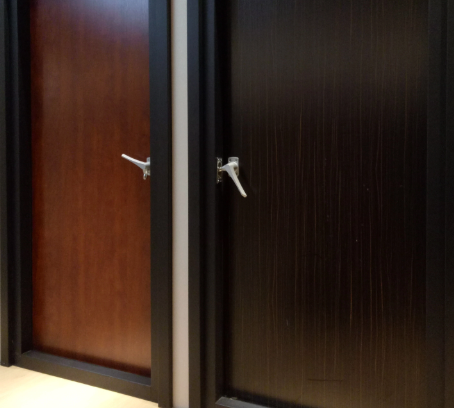
Acoustic doors—often called soundproof doors—are purpose-built doors designed to reduce airborne noise transmission between rooms. They control sound using:
Dense multi-layer cores
Acoustic insulation materials
Compression seals around the doorframe
Heavy-duty hinges and reinforced slabs
Unlike regular doors, they are tested to ensure a certified sound reduction index (Rw) or Sound Transmission Class (STC) rating.
Typical Acoustic Rating Levels
| Acoustic Rating (Rw/STC) | Noise Control Capability | Suitable Environments |
| 25–30 dB | Basic speech reduction | Homes, small offices |
| 35–40 dB | Normal privacy | Meeting rooms, clinics |
| 45–50 dB | Confidential speech | Hospitals, executive rooms |
| 55+ dB | Professional isolation | Recording studios, research labs |
These values help architects choose the right door for each space.
Why Noise Control Matters
Modern buildings are louder than ever. Printers, HVAC systems, alarms, trolleys, machinery, group conversations—they all create noise. Noise doesn’t only distract people; it also:
Raises stress hormones
Slows task completion
Disrupts healing in hospitals
Reduces privacy and confidentiality
Causes fatigue and decision errors
People underestimate how much doors contribute to that noise. Walls do the heavy lifting, but if the door leaks sound, the entire system fails.
Benefits of Acoustic Doors in Commercial Buildings
Enhanced Workplace Productivity
Modern open-plan offices encourage teamwork, yet they unintentionally amplify daily noise. A Soundproof Door dramatically reduces interference from printers, HVAC units, and corridor chatter. When external noise fades, employees can maintain longer periods of concentration and complete tasks more efficiently. This controlled sound environment also improves meeting quality by preventing interruptions from phones or hallway discussions. As distractions drop, both cognitive performance and job satisfaction naturally improve, creating a measurable boost in productivity across departments.
Privacy and Confidentiality
Many commercial spaces operate under strict confidentiality requirements, especially financial institutions, legal firms, and R&D departments. Without a Soundproof Door, conversations can leak into adjacent rooms, exposing sensitive negotiations or proprietary data. Acoustic doors create a secure auditory boundary, ensuring voices remain contained within the room. This reinforces trust among clients and partners, safeguards internal business strategies, and protects intellectual property. By investing in noise-controlled entry points, companies demonstrate a commitment to professional responsibility and compliance with confidentiality standards.
A Professional Working Environment
Noise shapes our perception of a workplace. Chaotic sounds make environments feel rushed and unorganized, whereas a quiet office conveys stability and professionalism. Installing a Soundproof Door reduces disruptive noise and elevates the perceived quality of a space. These doors are available in visually appealing finishes—such as timber veneer, steel laminates, fire-rated surfaces, and glazed acoustic panels—allowing them to integrate into modern architectural designs. They enrich the work environment both acoustically and aesthetically, creating a welcoming atmosphere for employees, partners, and clients.
The Role of Acoustic Doors in Healthcare Buildings
Hospitals operate under conditions where noise directly impacts patient outcomes. Every alarm, conversation, and piece of equipment adds to a sonic environment that can hinder healing. A Soundproof Door is no longer an optional feature—it is a functional component of healthcare architecture.
Noise Control Promotes Healing
In medical settings, noise doesn’t just irritate patients—it triggers physical responses. Elevated heart rate, disrupted sleep cycles, and increased stress levels slow recovery. A Soundproof Door helps buffer these disturbances. It reduces corridor noise from trolleys, footsteps, and staff conversations. Patients rest more deeply because fewer unexpected sounds enter their rooms. Treatment areas also benefit. A quieter setting promotes focus among medical staff, helping them make fewer mistakes and respond more efficiently. When noise drops, healing improves, and hospital experiences become calmer for everyone involved.
Confidentiality in Medical Consultations
Privacy isn’t optional in healthcare; it is a core responsibility. Conversations often involve personal medical history, treatment plans, and emotional discussions. Without proper sound insulation, voices can travel into hallways or neighboring rooms, undermining trust. A Soundproof Door ensures spoken words stay where they belong. It prevents leakage of sensitive conversations that occur in consultation rooms, psychiatric units, diagnostic labs, and surgery preparation spaces. Patients feel safer sharing information when they know others cannot overhear them. This fosters open dialogue, accurate diagnoses, and better treatment outcomes.
Safety and Infection Control
Acoustic doors often combine other properties:
| Door Type | Primary Function | Secondary Benefits |
| Acoustic Door | Noise reduction | Privacy, comfort |
| Fire-Rated Acoustic Door | Fire containment | Noise control + legal compliance |
| Hygienic Acoustic Door | Easy-clean surfaces | Infection prevention, quiet operation |
Hospitals choose doors that solve more than one problem at a time.
Fire Safety Advantages of Acoustic Doors
Soundproofing materials typically include dense cores. These materials respond well to fire resistance engineering. As a result, many acoustic doors also:
Commercial buildings must follow strict fire codes. Dual-certified doors save space, cost, and installation time.

Materials and Acoustic Door Construction
Acoustic doors aren’t one material fits all. Each environment requires something different.
Common Materials
| Material | Benefits | Typical Application |
| Steel | Strong, fire-resistant | Hospitals, research labs |
| Timber | Aesthetic appeal | Offices, commercial spaces |
| PVC & Aluminum | Lightweight, cost-effective | Schools, service rooms |
| Composite Core | Highest acoustic performance | Studios, testing rooms |
Soundproofing Technology
Acoustic doors use multiple layers:
Dense mass to block noise
Seals at the bottom and edges
Insulated cores absorb sound waves
Heavy frames reduce vibration transfer
Design matters. A single weak point turns a great door into a useless barrier.
How to Choose the Right Acoustic Door
Think through these factors before selecting a Soundproof Door:
Required dB Reduction – Determine the level of noise control needed for the space. For consultation rooms, mental health units, or recording studios, higher decibel reduction (40–55 dB) may be necessary, while offices may only require moderate levels (30–40 dB).
Door Thickness and Dimensions – Thicker doors typically provide better acoustic performance. Consider the width, height, and whether single or double-leaf doors are needed to accommodate equipment, furniture, or foot traffic.
Fire-Rating Needs – Many commercial and healthcare buildings require fire-rated doors. Check local codes and building regulations. Acoustic doors can combine soundproofing with FD30, FD60, or higher fire ratings.
Design Style and Finish – Acoustic doors come in timber, steel, aluminum, PVC, or composite finishes. Choose a style that complements the interior design while maintaining hygiene standards in sensitive areas.
Sealing Systems and Thresholds – High-quality gaskets, seals, and drop-down thresholds prevent sound leaks. Check for adjustable or replaceable seals to maintain performance over time.
Vision Panels and Transparency – Some spaces require observation without compromising sound insulation. Look for acoustic glass panels tested for Rw/STC values.
Budget vs. Performance Level – Higher-rated acoustic doors may cost more upfront, but they reduce long-term maintenance, improve comfort, and protect privacy, making them a cost-effective choice over time.
Choosing carefully ensures that the Soundproof Door performs optimally, protects occupants, and lasts for years.
FAQ
What is an acoustic door?
An acoustic door, also called a soundproof door, is specially designed to reduce noise transmission between rooms using dense cores, insulation, and sealed frames.
How much noise can an acoustic door block?
Depending on its rating, an acoustic door can reduce sound from 25 dB in homes to over 55 dB in professional studios and healthcare spaces.
Are acoustic doors fire-rated?
Many acoustic doors are available with fire ratings such as FD30 or FD60, providing both sound insulation and fire protection.
Where are acoustic doors commonly used?
They are used in offices, hospitals, schools, recording studios, hotels, and residential areas to improve privacy, comfort, and productivity.
What materials are used in acoustic doors?
Common materials include steel for durability, timber for aesthetics, PVC or aluminum for lightweight applications, and composite cores for high acoustic performance.
Conclusion
Choosing the right Soundproof Door transforms any building environment, enhancing productivity, protecting privacy, and supporting well-being. Whether in healthcare, corporate offices, or educational institutions, investing in high-quality acoustic solutions delivers long-term benefits. For reliable, professionally engineered acoustic doors, consider Guangzhou Winego Acoustical Materials Co., Ltd., a trusted provider of durable, high-performance soundproof doors designed to meet diverse commercial and healthcare requirements.