Noise can disrupt sleep, work, and daily life. Even thick walls and ceilings may let sounds through, especially bass-heavy noise from home theaters, traffic, or industrial equipment. This is where green glue comes in. Unlike standard drywall or insulation alone, green glue acts as a damping compound, converting vibrations into tiny amounts of heat and dramatically reducing noise transmission. In this article, we explore how much STC green glue adds, factors that affect its performance, and practical tips for installation, helping you create a quieter, more comfortable space.
What is STC and Why It Matters
STC, or Sound Transmission Class, measures how well a wall blocks airborne sound. We test a tone on one side. Measure the volume on the other. The difference is Transmission Loss, converted to an STC rating.
| STC Rating | Typical Performance | Use Case |
| 25-30 | Poor | Standard walls in older homes |
| 35-40 | Moderate | Apartment partitions |
| 45-50 | Good | Offices, modern homes |
| 55-60 | Excellent | Home theaters, music rooms |
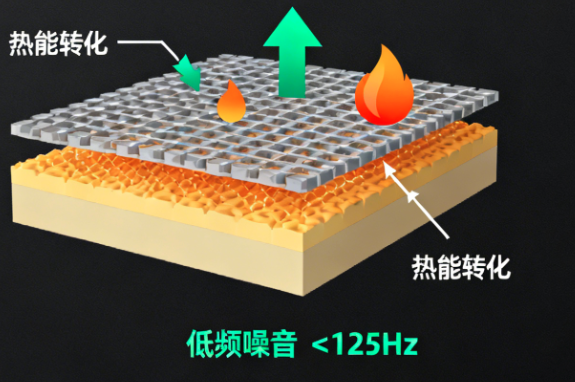
STC does not cover low-frequency noise below 125 Hz. Most bass, home theater, traffic, and industrial sounds fall here. So, STC alone can mislead.
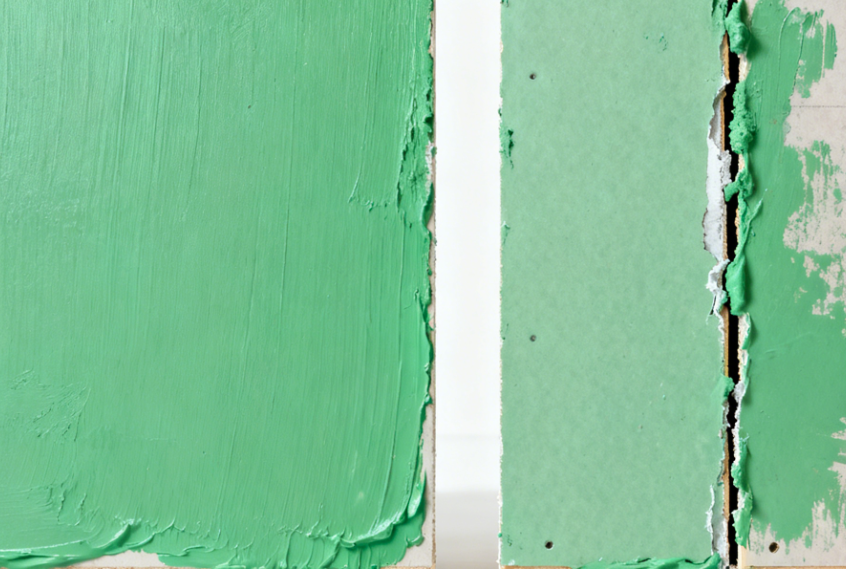
How Green Glue Adds STC
Typical STC Gains
green glue improves STC significantly, but the exact numbers depend on wall construction, materials, and installation.
| Wall Setup | STC Increase |
| One layer green glue + 2 drywall sheets | 10-12 points |
| green glue on both sides + 2 drywall layers | Up to 16 points |
Even a single layer of green glue can make a noticeable difference. It doesn’t just raise the STC number on paper. It reduces the rumble from bass-heavy sources, muffles voices from neighboring rooms, and blocks general daily noise. Using green glue creates a quieter, more comfortable living or working environment.
It works across all frequencies, but its damping properties are especially useful for low-frequency sound, which is usually harder to block with drywall alone. For example, home theater bass, drum vibrations, or traffic noise are reduced more effectively than by mass alone.
Factors Affecting STC Improvement
Several variables influence how much STC gain you get from green glue:
Drywall thickness and number of layers – Thicker or multiple layers allow more vibration absorption.
Wood studs versus metal studs – Metal studs can transmit vibration differently; they may reduce STC gains slightly if not combined with other decoupling methods.
Installation coverage and consistency – Uneven application or gaps in green glue reduce effectiveness. Full coverage is important.
Room dimensions and noise frequency – Larger rooms or high ceilings may require additional layers or damping to achieve the same STC improvement.
Applying green glue to one side or both sides – Using it on both sides increases damping and overall STC, but the gain is not always double; it enhances real-world performance more than lab numbers suggest.
Other minor factors include humidity during installation, type of drywall joint compound, and screw placement. Following manufacturer instructions ensures optimal performance.
STC Ratings vs Real-World Performance
STC gives a numeric rating for a wall’s ability to block sound, but it mostly considers mid- and high-frequency sounds (125 Hz–4000 Hz). Many real-world complaints involve low-frequency sounds below 125 Hz, which STC does not fully capture.
green glue shines in these low frequencies. Its viscoelastic properties convert sound vibrations into tiny amounts of heat. It doesn’t magically double STC points, but it reduces the perception of noise, improves comfort, and makes low rumble, bass, and machinery noise much less noticeable.
In other words, even if the STC rating on paper is modest, green glue often makes rooms feel significantly quieter. It’s a practical solution that addresses the sounds people actually hear every day, not just what’s measured in a lab.
Tips for DIY and Contractors
Applying green glue correctly makes a huge difference. Even small mistakes can reduce STC gains. Here are some practical tips:
Maintain consistent thickness for maximum STC gain – Spread green glue evenly across the entire surface. Random patterns work, but avoid thin patches or thick globs. Consistency ensures vibrations are absorbed uniformly.
Avoid air gaps – Air pockets between drywall layers or around edges reduce effectiveness. Press drywall firmly and leave only recommended expansion gaps at top and bottom (usually ¼ inch).
Use pail applicator for large walls or ceilings – For big projects, tubes can be slow. Pail applicators help cover larger surfaces faster and with more even coverage. This saves time and ensures better STC improvement.
Benefits of Using Green Glue
Reduces noise across mid- and low-frequencies – green glue dampens vibrations that travel through walls, ceilings, and floors. It’s especially effective against bass-heavy sounds like home theater systems, traffic rumble, or drum beats. When combined with a Soundproof Door, it creates a much quieter environment, reducing sound leakage between rooms and improving overall comfort.
Eco-friendly, low-VOC, made from recycled materials – The compound is formulated to be safe for indoor air quality. It contains minimal volatile organic compounds, so you can install it without worrying about harmful fumes. Plus, the packaging and tubes use recycled materials, contributing to environmentally conscious building practices. Even when paired with a Soundproof Door, it maintains a healthy indoor environment.
Fast, simple installation – Unlike complicated soundproofing methods, green glue requires no special tools beyond a caulking gun or pail applicator. There’s no troweling or exact measurement. Apply it, sandwich it between drywall layers, and install. For rooms already using a Soundproof Door, green glue can be added quickly to improve wall STC without disrupting door installation.
Works in homes, offices, commercial buildings – It’s versatile enough for bedrooms, living rooms, home theaters, office partitions, conference rooms, and even industrial environments. Paired with a Soundproof Door, green glue ensures that both the entryway and walls provide consistent noise reduction, making spaces significantly quieter.
Cost-effective alternative to soundproof drywall, MLV, or resilient channels – High-end materials can be expensive and labor-intensive. green glue delivers comparable or better results at a fraction of the cost. When used alongside a Soundproof Door, it enhances sound isolation without the need for multiple costly products, making it accessible for DIYers, contractors, and large construction projects.
Comparing Green Glue to Other Soundproofing Solutions
| Material | Pros | Cons |
| Green Glue | Easy, eco-friendly, effective | Needs proper installation |
| Mass-Loaded Vinyl | Blocks bass well | Expensive, heavy |
| Resilient Channels | Adds decoupling | Labor-intensive |
| Soundproof Drywall | Simple install | Less effective alone |
| Insulation Panels | Good for echo | Limited STC gain |
Green Glue often delivers the best balance between cost, ease, and performance.
FAQ
Q: How much STC does green glue add?
A: green glue can add 10–16 STC points depending on wall construction, drywall layers, and whether it is applied on one side or both sides.
Q: Can green glue reduce low-frequency noise?
A: Yes, green glue is particularly effective at dampening low-frequency sounds like bass from home theaters, traffic rumble, and drum vibrations.
Q: How long does it take for green glue to reach full performance?
A: The compound typically reaches peak performance within 30 days after installation as it cures and fully absorbs vibrations.
Q: Do I need special tools to apply green glue?
A: No, you only need a standard caulking gun for individual tubes or a pail applicator for larger projects, making installation simple and fast.
Conclusion
Green glue is a versatile, cost-effective solution for improving sound isolation in homes, offices, and commercial buildings. It works especially well for low-frequency noise, complementing walls, ceilings, and even Soundproof Doors. For anyone seeking reliable acoustic performance without excessive cost or complex installation, green glue is a smart choice.
For high-quality green glue and other professional soundproofing materials, Guangzhou Winego Acoustical Materials Co., Ltd. offers trusted products and technical support to help you achieve superior noise reduction in any project.