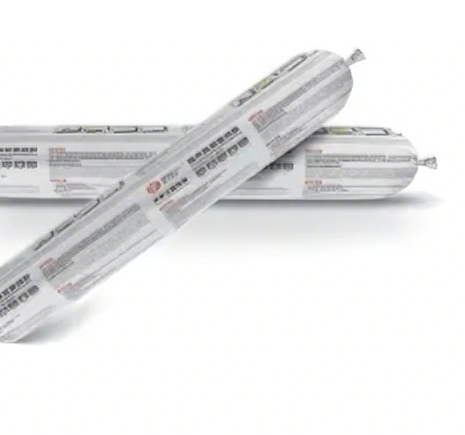
Creating a quiet and comfortable space is essential in both homes and commercial buildings. Noise from neighbors, traffic, or machinery can disrupt work, sleep, and daily life. One effective way to enhance soundproofing is by combining a Soundproof Door with green glue noiseproofing compound. green glue works by converting sound vibrations into heat energy, reducing noise transmission through walls, ceilings, and floors. In this guide, we explore how green glue dries, factors affecting its curing time, and practical tips to ensure optimal soundproofing results.
Features of green glue
Green glue is a viscoelastic material. It works by converting sound vibrations into heat energy. This reduces noise passing through walls, ceilings, or floors.
Airborne noise: sound traveling through air, like music or talking.
Impact noise: sound from direct force, like footsteps or dropped objects.
It’s designed for new construction and renovations. You can place it between drywall, plywood, or cement boards.
Factors Affecting green glue Drying Time
Temperature
Temperature plays a major role in how quickly green glue dries. Cold environments slow down the chemical reaction, keeping the compound soft and sticky for longer periods. Conversely, warmer rooms accelerate the curing process, helping the material set more efficiently. For best results, maintain a room temperature between 65–75°F (18–24°C). Avoid extreme cold, freezing conditions, or sudden temperature drops, as they can prolong drying time and reduce overall soundproofing effectiveness.
Humidity
Humidity also affects green glue drying. High moisture levels in the air can slow down evaporation and curing, leaving the compound tacky for longer. This is especially noticeable in basements, bathrooms, or regions with naturally high humidity. Proper ventilation is essential. Opening windows, running exhaust fans, or using a dehumidifier can help regulate moisture levels, allowing green glue to dry more consistently and maintain its soundproofing properties.
Number of Drywall Layers
The number of drywall layers impacts drying time because green glue works best when sandwiched between materials. Single drywall layer: the compound dries faster since there is more exposure to air. Double or triple layers: drying slows as the material is partially enclosed, but soundproofing performance improves, especially for low-frequency noises. It’s important to account for extra curing time when using multiple layers to ensure full effectiveness.
Application Thickness
The thickness of the green glue layer affects both drying speed and performance. Applying too much can trap moisture and delay curing, while too little may reduce soundproofing efficiency. For most applications, a 0.5 mm layer evenly spread over the drywall works best. It provides optimal noise reduction without creating unnecessary delays. Using a standard caulking gun and spreading green glue in a random bead pattern usually ensures proper coverage and consistent thickness.
Typical Drying and Curing Times
Stage
Time
Notes
Initial Set
15–30 min
Can attach second drywall layer immediately
Partial Cure
7–10 days
Some soundproofing starts working
Full Cure
30 days
Maximum STC improvement achieved
Signs of proper drying: compound feels firm but still slightly flexible. Dark, wet areas indicate it needs more time.
Tips to Speed Up Drying
Proper drying is key for green glue to reach its maximum soundproofing performance. Here are some practical tips to speed up the process:
Keep the room warm and ventilated – Green glue cures faster in temperatures between 65–75°F (18–24°C). Using heaters or maintaining a steady temperature helps the compound set evenly.
Avoid excess layers or thick applications – Applying too much green glue in a single layer slows drying. Stick to the recommended thickness of around 0.5 mm for optimal results.
Use fans or ventilation systems – Circulating air prevents moisture from lingering, especially in high-humidity rooms. Fans or open windows improve airflow, helping green glue dry more consistently.
Stagger drywall seams – When layering drywall, stagger the seams to reduce trapped moisture and allow the compound to cure fully. Proper seam management also improves overall soundproofing.
Allow time between layers – If multiple drywall layers are used, give green glue time to partially cure before adding additional panels. This ensures better adhesion and peak noise reduction.
Safety and Cleanup During Drying
Even though green glue is low VOC and safe for indoor use, it’s important to handle it carefully during application and drying:
Wear gloves and protective clothing – The compound is sticky and difficult to remove once dry. Latex or nitrile gloves make cleanup easier.
Clean spills immediately – Use citrus-based cleaners or bath oils to remove green glue from surfaces or tools before it hardens. Once dried, removal becomes much harder.
Manage spent tubes properly – Keep empty or partially used green glue tubes in sealed plastic bags. Dispose of them regularly to prevent accidental contact or messes.
Follow safety guidelines – Green glue is low VOC and generally safe for homes, offices, and commercial spaces. Ensure proper ventilation during application to minimize odor and improve drying speed.
Avoid inhalation of airborne particles – While the compound itself is non-toxic, sanding or disturbing cured material may release fine dust. Wear a dust mask if needed.
Frequently Asked Questions
Q: How long does it take for green glue to dry completely?
A: Green glue typically takes about 30 days to reach full curing for maximum soundproofing, though partial improvement starts within 7–10 days.
Q: Can I paint or wallpaper over green glue before it dries?
A: No, it is best to wait until green glue is fully cured before painting or applying wallpaper, as premature finishing can reduce its effectiveness.
Q: How does temperature affect green glue drying time?
A: Cold temperatures slow down the drying process, while warm, stable room temperatures between 65–75°F (18–24°C) help green glue set faster.
Q: Will high humidity slow down green glue curing?
A: Yes, high humidity can delay drying and keep the compound tacky for longer. Good ventilation or a dehumidifier can help it cure properly.
Q: Can green glue be applied on multiple drywall layers?
A: Yes, it can be sandwiched between multiple layers of drywall. More layers may slow drying but improve soundproofing, especially for low-frequency noise.
Conclusion
Proper use of green glue alongside quality soundproof Doors can transform noisy rooms into peaceful, comfortable environments. Understanding factors like temperature, humidity, drywall layers, and application thickness helps ensure the compound reaches its full potential. For homeowners and businesses looking for reliable soundproofing solutions, Guangzhou Winego Acoustical Materials Co., Ltd. provides high-quality green glue products and expert support to help you achieve maximum noise reduction in any space.